Anxiety Relief Strategies That Work
Explore evidence-based approaches to managing anxiety and building lasting calm. Our comprehensive guide breaks down proven techniques you can implement today.
The information on this site is for educational purposes only and does not constitute medical advice. Always consult a qualified healthcare professional before making health decisions.
Key Features of Our Approach
Evidence-Based Techniques
Our strategies draw from recognised psychological research and practical applications. Each method has been tested and refined to help you manage anxiety effectively and sustainably.
Natural Calm Methods
Discover breathing exercises, mindfulness practices, and lifestyle adjustments that promote natural relaxation. These techniques work with your body's own calm response systems.
Quick-Access Tools
Find techniques you can use anywhere, anytime. From five-minute breathing exercises to grounding strategies, our tools fit into busy schedules and real-world situations.
Holistic Wellness
Address anxiety through multiple pathways including sleep quality, movement, nutrition awareness, and social connection. A balanced approach creates lasting change.
Progress Tracking
Monitor your calm levels and anxiety patterns over time. Understanding your personal trends helps you identify what works best for your unique situation.
Community Support
Connect with others on their calm journey. Shared experiences and collective learning create a supportive environment for sustained wellbeing.
Your 5-Step Calm Journey
Awareness
Recognise your anxiety patterns and triggers. Understanding when and why anxiety arises is the foundation of effective management.
Learning
Explore breathing techniques, mindfulness practices, and stress-relief strategies. Knowledge empowers you to choose the right tools.
Practice
Begin with simple exercises and build consistency. Regular practice strengthens your calm response and makes techniques more effective over time.
Integration
Weave techniques into daily life. Integrate calm practices into your routine so they become natural, automatic responses.
Sustain
Maintain your practices and adapt as needed. Long-term wellbeing comes from consistent application and willingness to refine your approach.
Understanding Anxiety Relief
What Makes Our Approach Different
Anxiety relief isn't about eliminating all worry—it's about developing the skills to respond calmly when stress arises. Our approach combines immediate calming techniques with long-term lifestyle strategies that address the root causes of tension.
Rather than suppressing anxiety, we teach you to understand it, work with it, and develop resilience. This means creating sustainable change that works with your nervous system rather than against it.
Personalised Strategies
What works for one person may not work for another. We provide diverse techniques so you can find your perfect fit.
Real-World Application
Techniques that work in calm moments aren't always practical when anxiety strikes. Our methods are designed for actual life situations.
Evidence-Based Content
Our information comes from recognised research and professional experience, not guesswork or trends.
Ongoing Development
As you progress, techniques evolve to match your growing confidence and understanding.
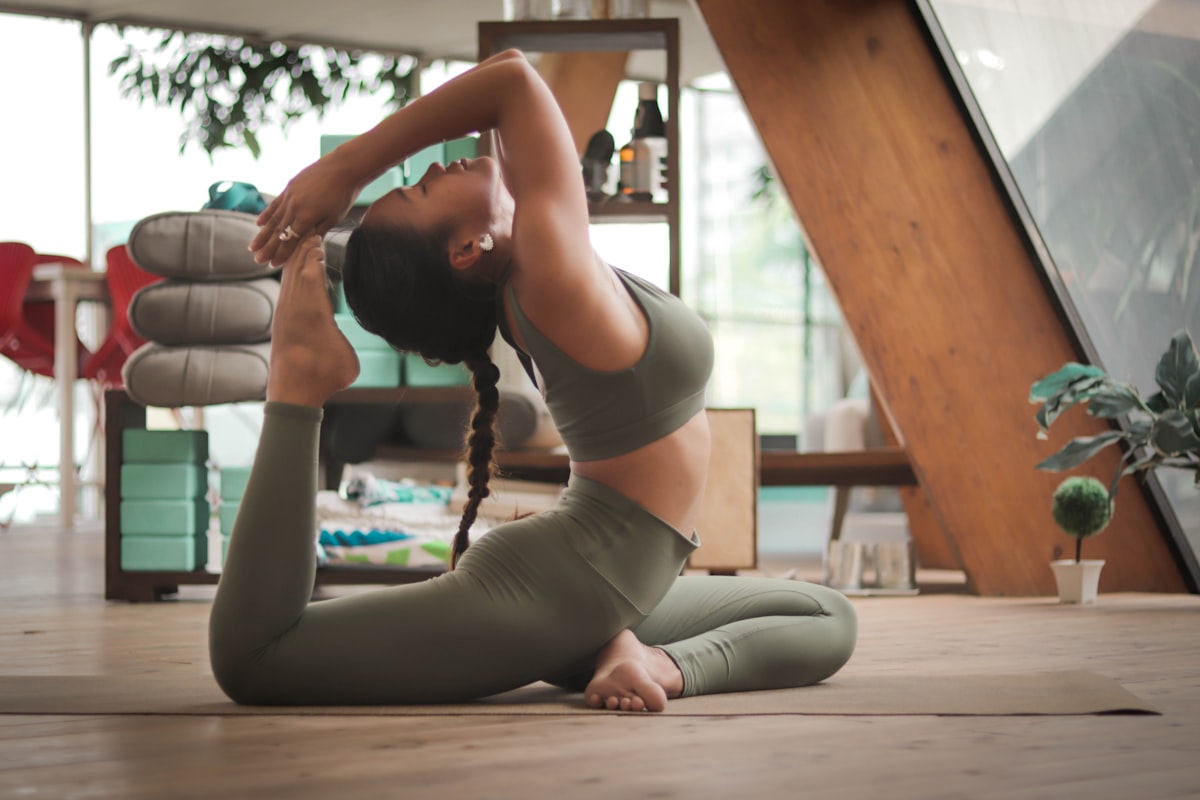
Breathing Techniques & Mindfulness
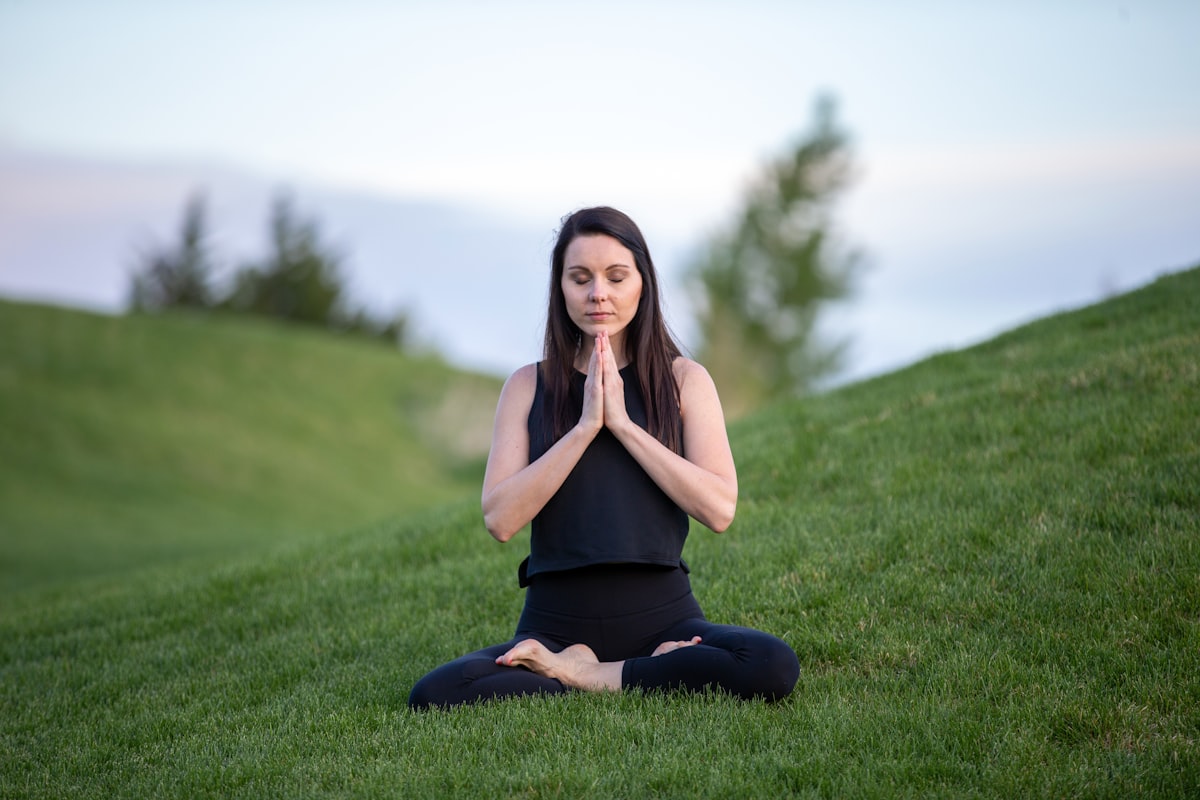
Master Your Nervous System
Your breathing directly influences your nervous system. By learning specific breathing patterns, you can shift from an anxious state to calm within minutes. These techniques are among the most powerful tools available for immediate relief.
Mindfulness complements breathing work by training your attention. Instead of getting caught in anxious thoughts, you learn to observe them without judgment and gently redirect your focus to the present moment.
Box Breathing
A simple 4-4-4-4 pattern that balances oxygen and calms the nervous system quickly.
Extended Exhale
Longer exhales activate your parasympathetic nervous system, signalling safety to your body.
Body Scan Meditation
Progressively relax each body part while maintaining present-moment awareness.
Grounding Techniques
Anchor yourself to the present using your five senses when anxiety intensifies.
Lifestyle & Wellness Strategies
Build Resilience Through Daily Habits
Anxiety doesn't exist in isolation. It's influenced by your sleep quality, physical activity, social connections, and how you fuel your body. By optimising these areas, you create a foundation that naturally reduces anxiety vulnerability.
Think of it like building a resilient nervous system. When your basic needs are met consistently, your body becomes less reactive to everyday stressors. You develop emotional buffer capacity.
Sleep Quality
Poor sleep amplifies anxiety dramatically. Consistent sleep schedules and sleep hygiene practices are foundational anxiety management tools.
Movement & Exercise
Physical activity metabolises stress hormones and releases natural mood elevators. Even gentle daily movement helps calm the nervous system.
Nutrition Awareness
Certain foods and habits trigger or worsen anxiety. Understanding your personal food-mood connection gives you control.
Social Connection
Meaningful relationships reduce stress hormones. Isolation amplifies anxiety, while connection provides natural resilience.

Cognitive & Emotional Strategies
Thought Patterns
Anxiety often stems from unhelpful thinking patterns—catastrophising, overgeneralising, or assuming the worst. Learning to recognise and gently challenge these patterns reduces their power. You don't need to eliminate worried thoughts; you need to change your relationship with them.
Self-Compassion
Anxiety often triggers shame and self-criticism, which intensifies the cycle. Developing self-compassion—treating yourself with the same kindness you'd offer a friend—is a powerful anxiety interrupter. This doesn't mean accepting anxiety; it means accepting yourself while experiencing it.
Values-Based Living
When you act according to your core values rather than anxiety's demands, you build confidence and meaning. This approach shifts focus from "How do I eliminate anxiety?" to "How do I live a meaningful life despite anxiety?" Meaning becomes your anchor.
Exposure & Resilience
Avoidance reinforces anxiety, while gradual, supported exposure builds confidence. You learn that your anxiety, while uncomfortable, isn't dangerous. Each time you face something feared and discover you can handle it, your nervous system rewires itself.
Frequently Asked Questions
Many people notice improvements within days or even hours of trying breathing techniques. However, lasting change typically develops over weeks and months of consistent practice. Think of it like building muscle—initial results come quickly, but real strength develops through sustained effort. Your personal timeline depends on how regularly you practise and how entrenched your anxiety patterns are.
Absolutely. Our strategies are designed to complement professional support, other wellness practices, and lifestyle approaches. Many people benefit most from combining multiple methods—breathing techniques, movement, social support, and other approaches working together. If you're working with other professionals, feel free to share these resources with them for a coordinated approach.
That's completely normal. Different techniques work for different people and different situations. If one approach doesn't resonate, try another. This is why we provide such a diverse toolkit—so you can find what genuinely helps you. Some people connect with breathing work, others prefer movement or mindfulness. Your job is to experiment and discover your personal preferences.
This varies from person to person. Some people notice shifts in their nervous system response within days of starting regular practice. Others may take 2-4 weeks to recognize meaningful changes. The key is consistency—daily practice, even for just 10-15 minutes, tends to produce faster, more sustainable results than sporadic longer sessions. Think of it like training a muscle: small, consistent effort compounds over time.
Absolutely. Nerve Pathway Health techniques are designed to complement other treatments, whether that's therapy, medication, or other wellness practices. In fact, many people find that a combined approach works best. Always consult with your healthcare provider if you have concerns about interactions or appropriateness for your specific situation.